
Curated for your Soul




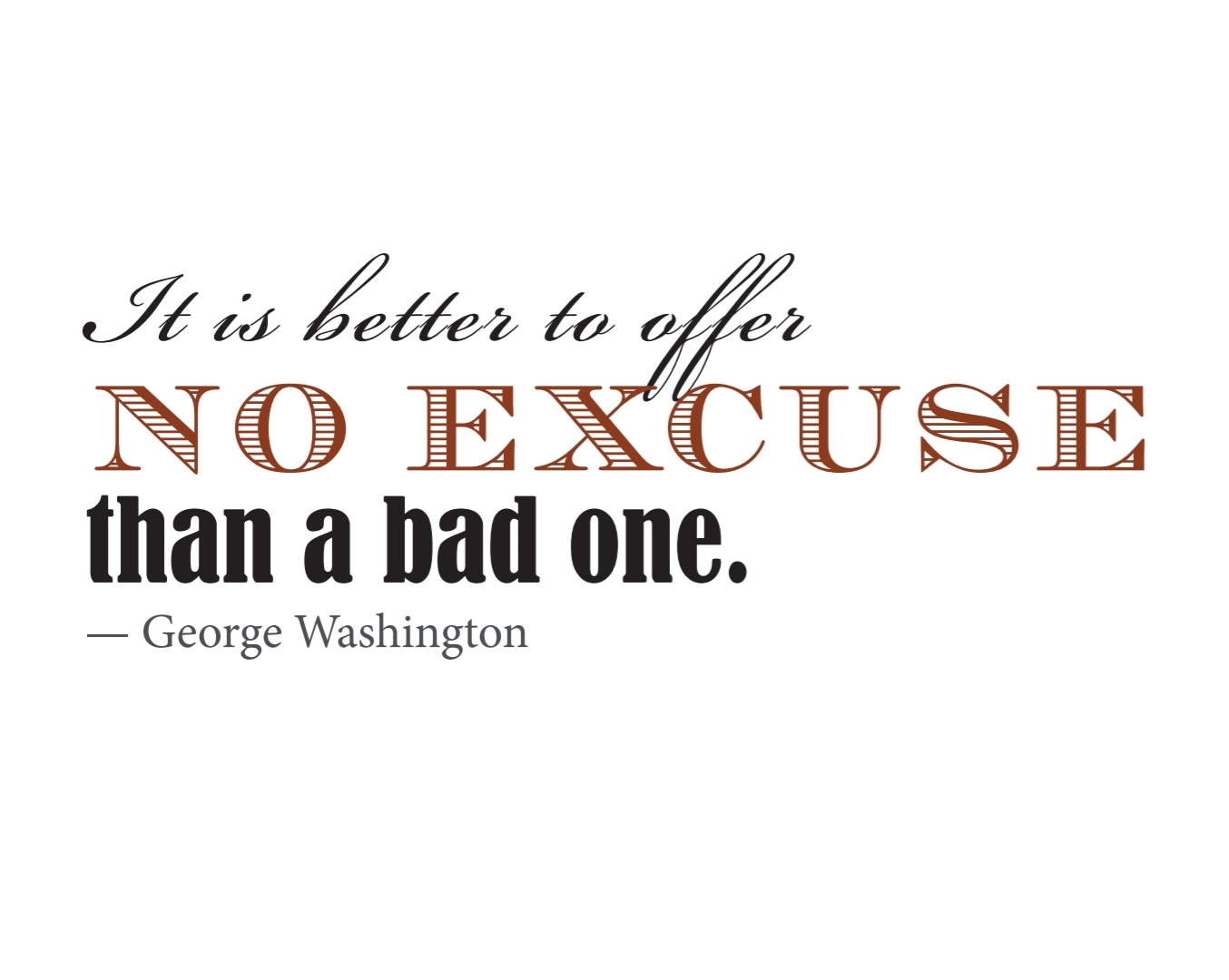
It is better to offer no excuse
than a bad one.
— George Washington, First President of the United States
George Washington’s simple but profound statement, “It is better to offer no excuse than a bad one,” teaches a timeless lesson about integrity. Honesty in words and actions is far more valuable than attempting to cover mistakes with weak explanations.
Excuses, especially poorly thought-out ones, can erode trust and damage reputation. Washington’s insight is a reminder that self-accountability is the foundation of effective leadership and personal credibility.
In this post, we will explore the origins of this quote, examine its deeper meaning, see how it reflected Washington’s life and leadership, and provide guidance on applying this principle in daily life.
Where This Quote Comes From
This quote is attributed to George Washington, reflecting his emphasis on honesty and moral character. While not linked to a specific speech or document, it embodies the principles he consistently upheld throughout his military and political career. Washington valued forthrightness and believed that excuses weaken credibility more than failure itself.
What This Quote Really Means
At its core, the quote stresses that honesty is preferable to any attempt to justify missteps with excuses. A “bad” excuse can appear disingenuous or defensive, while silence coupled with accountability demonstrates strength, self-awareness, and respect for others.
Three Layers of Meaning
🛡️ Integrity Over Explanation: Being truthful, even in error, is more honorable than fabricating excuses that might damage trust.
💬 Silence as Strength: Choosing not to offer a weak justification can show confidence, maturity, and accountability.
🏛️ Leadership Example: Leaders set the tone. Demonstrating responsibility without excuses fosters trust, respect, and a culture of integrity.
How to Apply This in Your Life
Own your mistakes: Acknowledge errors openly and take responsibility, which strengthens personal credibility.
Avoid weak explanations: If you cannot offer a clear reason for a mistake, it’s better to remain silent than diminish trust.
Lead by example: Demonstrate honesty in all your interactions, setting a standard for colleagues, family, and peers.
Reflect before speaking: Pause and consider whether your explanation adds clarity or merely excuses your actions.
Will you embrace accountability over excuses?
Strengthen trust and leadership by prioritizing honesty in all you do.
FAQ
Who said “It is better to offer no excuse than a bad one”?
This quote is attributed to George Washington, reflecting his philosophy of honesty and accountability in leadership and life.
What does this quote teach?
It teaches that avoiding weak excuses is preferable to lying or making excuses, emphasizing integrity, responsibility, and trustworthiness.
How can I apply this in everyday life?
By acknowledging mistakes honestly, avoiding weak justifications, and demonstrating accountability, you enhance personal credibility and build stronger relationships.
Was this quote from a speech or letter?
There is no record of this quote in a specific speech or letter; it represents Washington’s guiding principles rather than a documented source.
What are other famous George Washington quotes?
Other notable quotes include: “Discipline is the soul of an army” and “It is better to be alone than in bad company.” All emphasize integrity, responsibility, and virtue.
It is better to offer no excuse
than a bad one.
— George Washington, First President of the United States
Honor your words with integrity; embrace responsibility and let honesty guide your actions.
Did this quote inspire you? Share it with someone who values integrity. Discover more at beautiful-quotes.org