

Why Falling Isn’t the End — It’s the Beginning
Life has a funny way of pushing people into deep waters when they least expect it. One moment everything feels stable, and the next, you’re struggling to stay afloat—emotionally, financially, mentally, or even physically. The truth is simple but powerful: falling into difficulty doesn’t destroy you. Staying stuck in it does.
Think about everyday situations. You miss a job opportunity. You fail an exam. A relationship ends. A plan collapses. These moments feel like drowning, but they’re not. They’re just the fall. The real danger begins when you stop trying to rise.
Curated for your Soul

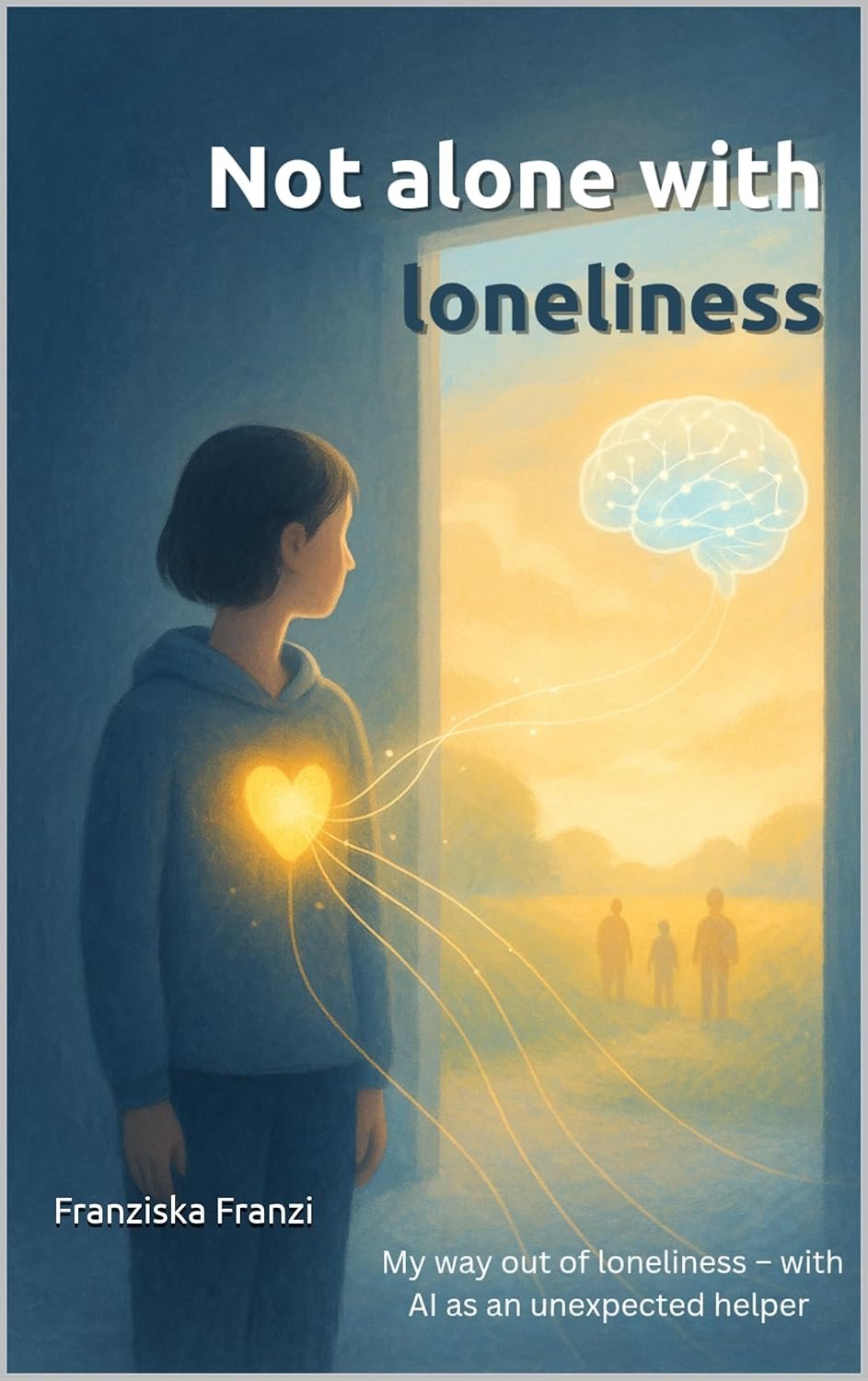


Here’s a phrase to carry with you: “Falling is an event; staying down is a decision.”
The Reality of Everyday “Drowning”
Most people imagine drowning as something dramatic, but in real life, it’s often quiet and slow. It shows up in small habits and daily choices:
- Hitting snooze repeatedly instead of facing the day
- Procrastinating on something important
- Letting one bad day turn into a bad week
- Staying in a comfort zone that no longer serves you
You don’t drown because life knocked you down—you drown when you stop pushing back.
Let’s make it practical. Imagine you’re trying to build a skill, maybe coding, fitness, or writing. You start strong but then hit a wall. Confusion sets in. Motivation drops. That’s the “fall.” If you walk away and never return, that’s when you “drown.”
But if you pause, adjust, and try again—even slowly—you’re still swimming.
H3: The Difference Between Setbacks and Staying Stuck
A setback is temporary. Staying stuck is a pattern.
A setback says:
- “This is hard.”
- “I didn’t get it right this time.”
Staying stuck says:
- “I’ll never get it.”
- “There’s no point trying again.”
One is a moment. The other becomes a mindset.
The biggest mistake people make is confusing the two. They treat a temporary fall like a permanent failure. But falling is part of movement. You don’t learn to walk without stumbling, and you don’t grow without discomfort.
Turning Everyday Struggles Into Momentum
The key to not “drowning” is simple: keep moving, even if it’s messy.
You don’t need a perfect plan. You need consistent action.
Let’s break that into real-life examples:
Work and Career
Didn’t get the job? Apply again. Improve your CV. Learn a new skill. Reach out to people. One rejection isn’t the end—it’s feedback.
Personal Growth
Skipped a workout? Do the next one. Ate unhealthy today? Eat better tomorrow. Growth isn’t about being perfect—it’s about being consistent.
Relationships
Had an argument? Communicate. Reflect. Fix what can be fixed. Walking away mentally without trying is what causes emotional drowning.
Learning Something New
Confused about a topic? Revisit it. Watch another explanation. Practice again. Confusion is part of learning—not a signal to quit.
Here’s a powerful daily reminder: “Progress beats perfection every single time.”
H3: Why People Stay Down Longer Than They Should
If staying stuck is so harmful, why do people do it?
It often comes down to three things:
1. Fear of Failing Again
Once you fall, the fear of falling again can paralyze you. But avoiding action doesn’t prevent failure—it guarantees stagnation.
2. Overthinking
People wait for the “right time,” the “perfect plan,” or the “ideal moment.” Meanwhile, life keeps moving. Action creates clarity, not the other way around.
3. Comfort in Familiar Pain
Sometimes, staying stuck feels easier than trying again. It’s predictable. But comfort zones can quietly become cages.
Building the Habit of Rising Quickly
The goal isn’t to avoid falling—it’s to recover faster each time.
Here’s how you build that habit:
Accept the Fall Immediately
Don’t waste time denying or overanalyzing what happened. Acknowledge it and move forward.
Focus on the Next Step, Not the Whole Journey
You don’t need to fix everything at once. Just take one small step. Then another.
Create Simple Daily Wins
Make your day count with small victories:
- Finish a task
- Learn one concept
- Send one email
- Practice for 30 minutes
Small wins keep you afloat.
Change Your Inner Dialogue
Replace:
- “I failed” → “I learned”
- “I’m stuck” → “I’m figuring it out”
- “It’s over” → “This is part of the process”
Your mindset determines whether you sink or swim.
H3: The Power of Refusing to Stay Down
There’s something incredibly powerful about a person who refuses to stay down. Not because life is easy, but because they’ve decided not to give up on themselves.
Think about it—every successful person has fallen, often multiple times. What separates them isn’t luck or talent. It’s resilience.
They don’t stay in the water.
They struggle, they gasp, they adjust—but they keep moving.
And eventually, they reach the shore.
Bringing It Back to Daily Life
This idea isn’t just motivational—it’s practical.
Every day gives you a choice:
- Stay in the setback
- Or take one step forward
Missed a deadline? Start again.
Felt unmotivated? Do something small anyway.
Had a bad day? Don’t let it become a bad life.
Because here’s the truth: life doesn’t expect you to be perfect. It expects you to keep going.
Final Thoughts: Keep Swimming
You don’t drown because life got hard. You don’t drown because you failed. You don’t drown because things didn’t go your way.
You drown when you decide to stop trying.
So whatever situation you’re in right now—no matter how deep it feels—remember this:
You’re still here.
You can still move.
You can still rise.
And sometimes, all it takes is one small action to remind yourself:
“I’m not sinking—I’m learning how to swim.”
